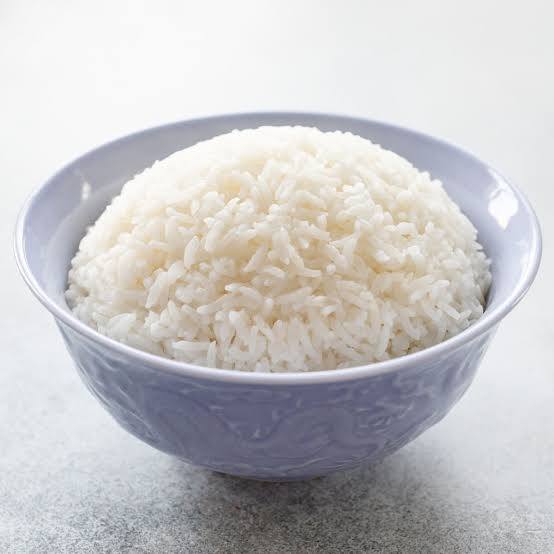
Why This Everyday Food Deserves a Place at the Table
Rice is one of the most widely consumed foods on the planet, feeding billions of people across different cultures and generations. From traditional Asian dishes to Latin American cuisine and everyday American meals, rice has remained a dietary staple for thousands of years. But beyond its affordability and versatility, rice offers several nutritional benefits that make it an important part of a balanced diet.
Rice: More Than Just a Side Dish
Rice is often treated as a simple side dish, but it can provide much more than people realize. It supplies carbohydrates for energy, contains important nutrients, and can serve as the foundation for a nutritious meal.
Whether served with vegetables, fish, chicken, beans, or other protein sources, rice is an adaptable food that can fit into many different eating patterns.
There are also several varieties of rice, each with its own nutritional characteristics. White rice, brown rice, black rice, and wild rice offer different combinations of fiber, vitamins, minerals, and antioxidants.
Understanding these differences can help you make better choices about what goes on your plate.
1. Provides Energy for the Body
One of the biggest benefits of eating rice is its ability to provide energy.
Rice is primarily made up of carbohydrates, which the body breaks down into glucose. Glucose is an important energy source for the brain, muscles, and other organs.
This makes rice particularly useful for people who exercise regularly, participate in physically demanding activities, or need an affordable source of energy throughout the day.
Brown rice contains more fiber than white rice, which generally slows digestion and can provide a more gradual release of energy.
2. Supports Digestive Health
Rice can play a role in digestive health, although the type of rice matters.
Brown rice contains more dietary fiber than white rice because it retains its outer bran layer. Fiber helps support regular bowel movements and contributes to a healthy digestive system.
Black rice and other whole-grain varieties also provide fiber.
White rice, on the other hand, is lower in fiber and is often easier to digest. This is one reason it is commonly recommended as part of a temporary bland diet when someone is experiencing digestive discomfort.
For everyday digestive health, whole-grain rice varieties generally provide more nutritional benefits.
3. Contains Important Vitamins and Minerals
Rice provides several nutrients that help the body function properly.
Depending on the variety and whether it is enriched, rice can contain:
- B vitamins: Help the body convert food into energy and support normal nervous system function.
- Magnesium: Supports muscle function, nerve activity, and bone health.
- Phosphorus: Helps maintain healthy bones and supports cellular function.
- Manganese: Plays a role in metabolism and antioxidant processes.
- Iron: Helps the body produce hemoglobin, which carries oxygen through the blood.
Enriched white rice is often fortified with iron and certain B vitamins, including folic acid, making it a useful source of these nutrients.
4. Brown Rice May Support Heart Health
Brown rice offers nutritional advantages because it retains its bran and germ.
These parts of the grain contain fiber, magnesium, and naturally occurring plant compounds.
Eating whole grains as part of a balanced diet is associated with better cardiovascular health. Replacing some refined grains with whole grains may help improve cholesterol levels and support healthy blood pressure.
Brown rice is not a treatment for heart disease, but it can be part of a heart-conscious eating plan.
5. Can Help With Weight Management
Rice can fit into a healthy weight-management plan.
Despite its reputation as a carbohydrate-heavy food, rice is relatively low in fat and can provide satisfying energy.
The key is portion size and what you eat alongside it.
Combining rice with vegetables, beans, lean proteins, and healthy fats creates a more balanced meal that can help support fullness.
Brown rice may be particularly helpful because its fiber content can contribute to satiety.
The biggest mistake is assuming rice itself causes weight gain. Weight management depends on overall calorie intake, activity levels, food quality, and individual needs.
6. Black Rice Contains Antioxidants
Black rice is sometimes called forbidden rice because of its historical association with special or restricted consumption in ancient China.
Its dark purple-black color comes largely from anthocyanins, the same family of antioxidant pigments found in blueberries, blackberries, and purple cabbage.
Antioxidants help protect cells against oxidative stress.
Black rice also provides fiber, minerals, and other beneficial plant compounds.
For people interested in adding more variety and plant-based nutrients to their diets, black rice is an excellent alternative to traditional white rice.
7. Rice Is Naturally Gluten-Free
Another important benefit is that rice is naturally gluten-free.
This makes it a useful carbohydrate source for people with celiac disease or gluten sensitivity.
White, brown, and black rice can all be included in a gluten-free diet.
However, people who need to avoid gluten should pay attention to flavored rice mixes, packaged seasonings, sauces, and cross-contamination during food preparation.
Plain rice is generally a straightforward gluten-free food.
8. Rice Can Support Athletic Performance
Athletes and physically active people need carbohydrates to replenish energy stores and support physical performance.
Rice provides a convenient source of carbohydrates without large amounts of fat.
White rice can be particularly useful before or after exercise because it is relatively easy to digest and contains less fiber than brown rice.
Brown rice offers additional fiber and nutrients, making it a good option for everyday meals.
The best choice depends on individual digestive tolerance, training schedules, and nutritional requirements.
White Rice vs. Brown Rice vs. Black Rice
Not all rice is nutritionally identical. Here is a quick comparison:
| Rice variety | Main nutritional advantage |
|---|---|
| White rice | Easily digested, enriched with vitamins and iron in many products |
| Brown rice | More fiber, magnesium, and whole-grain nutrients |
| Black rice | Anthocyanin antioxidants and fiber |
| Wild rice | More protein and fiber than typical white rice |
Each variety can have a place in a balanced diet.
Brown and black rice generally offer more fiber and naturally occurring plant nutrients, while enriched white rice can provide important vitamins and minerals.
Is Eating Rice Every Day Healthy?
For most healthy adults, eating rice every day can be perfectly reasonable when it is part of a varied and balanced diet.
However, there are a few things worth considering.
Watch your portions. Large servings of rice can add substantial calories and carbohydrates to a meal.
Add vegetables and protein. Rice is most nutritious as part of a balanced meal rather than being the only major food on your plate.
Consider arsenic exposure. Rice plants can absorb inorganic arsenic from soil and water. Because rice can contain more inorganic arsenic than many other grains, eating a variety of grains rather than relying exclusively on rice is a sensible approach. Rinsing rice and cooking it in excess water that is drained afterward can reduce arsenic levels, although some nutrients may also be lost.
Store cooked rice safely. Uncooked rice can contain Bacillus cereus spores. Cooked rice should be refrigerated promptly, ideally within one hour, kept cold, and reheated thoroughly. Avoid leaving cooked rice at room temperature for extended periods.
A Simple Food With Real Nutritional Value
Rice may seem like one of the simplest foods in the kitchen, but its nutritional value deserves more attention.
It provides energy, supplies important nutrients, offers a naturally gluten-free carbohydrate option, and can be incorporated into countless healthy meals.
Brown and black rice provide additional fiber and plant compounds, while enriched white rice offers its own nutritional advantages.
The secret isn’t necessarily choosing one variety over another. It’s understanding how different types of rice fit into your overall diet.
From supporting physical activity to providing an affordable foundation for nutritious meals, rice continues to demonstrate why it has remained an important food across civilizations.
Sometimes the simplest foods are among the most valuable. Rice is a perfect example of how an everyday staple can contribute to a healthy and balanced lifestyle.