From mysterious African spirits and ancient legends to Dracula, horror movies, television, and modern supernatural icons, the vampire has evolved into one of the most recognizable creatures in human storytelling.
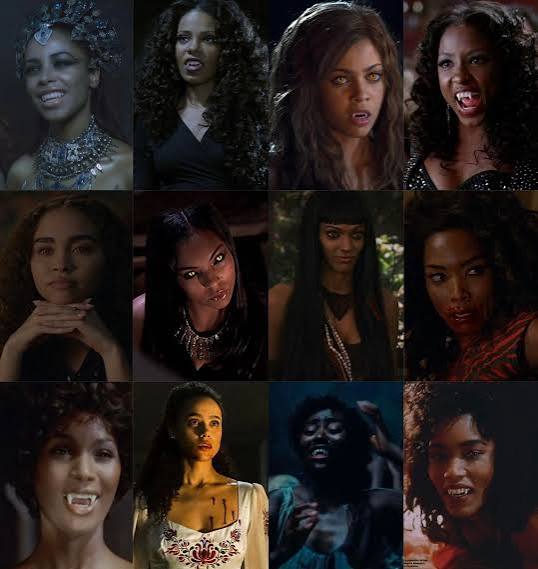
Before Dracula: The Ancient Origins of Vampire Legends
Long before vampires became the elegant, cape-wearing creatures popularized by Hollywood, stories of blood-drinking spirits, supernatural predators, and the walking dead existed in cultures around the world.
The vampire legend is not the invention of one civilization. It is a collection of beliefs that developed independently across different societies, shaped by fears of death, disease, unexplained disappearances, nighttime dangers, and the mysteries of the human body.
Some of the earliest and most fascinating connections can be found in African folklore, where supernatural beings were believed to drain life, consume blood, attack sleeping victims, or prey upon the living.
African Folklore: The Roots of the Vampire Myth
African folklore contains numerous supernatural creatures that share characteristics with what the modern world recognizes as vampires. However, these beings are not necessarily identical to the European vampire tradition. They belong to distinct spiritual and cultural traditions.
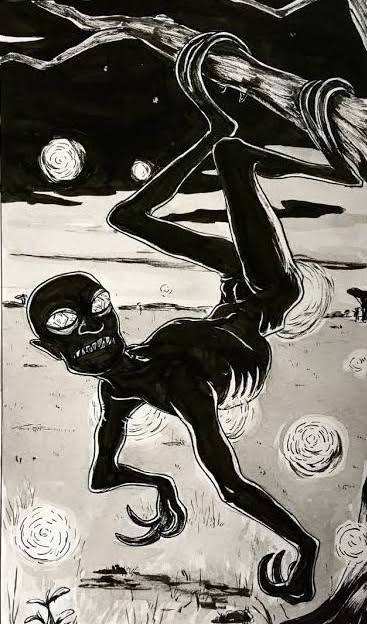
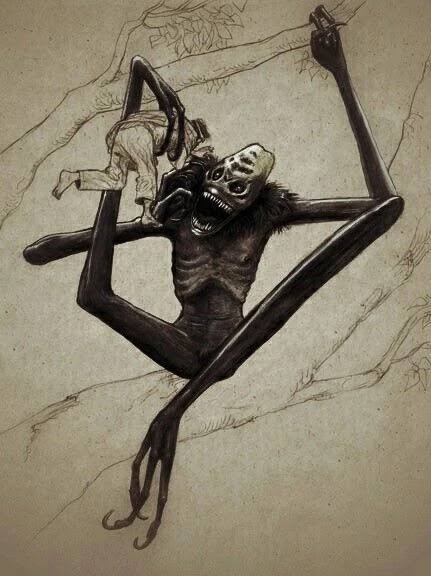
One particularly interesting example is the Asanbosam, a creature from Akan folklore in Ghana and parts of West Africa. Often described as a forest-dwelling supernatural being with iron teeth and hooks or hooked feet, the Asanbosam was feared for attacking unsuspecting people in the forest. Its frightening characteristics helped establish its place among Africa’s most memorable supernatural legends.
Another figure is the Obayifo, associated with Akan folklore. Traditionally described as a witch-like being, the Obayifo was believed to possess supernatural abilities and could drain the life or vitality of victims. Some accounts associate it with attacks on children and the consumption of blood.
In East African folklore, the Popobawa of Zanzibar is a shape-shifting supernatural entity associated with nighttime attacks and widespread fear. Although it is not a traditional vampire in the European sense, its reputation demonstrates how supernatural nighttime predators became part of local storytelling and cultural identity.
These African traditions are important because they demonstrate that the idea of supernatural beings attacking the living is much older and more widespread than the vampire image popularized by European literature and cinema.
They also remind us that the vampire is not simply a monster. In many cultures, these legends served as explanations for illness, unexplained death, misfortune, and dangers that people could not easily understand.
Ancient Civilizations and the Fear of the Undead
Vampire-like creatures were not exclusive to Africa. Ancient civilizations throughout the world developed stories about spirits that consumed human blood, attacked the living, or returned from the grave.
In ancient Mesopotamia, supernatural beings such as the Lilu and Lilitu were associated with nighttime danger, illness, and attacks on humans. Some later interpretations connect these figures to the development of vampire and demon mythology.
Ancient Greece also contributed to the history of blood-drinking creatures. The Lamia was described in mythology as a female monster who preyed upon children and, in later traditions, became associated with blood-drinking and seduction.
The Strix, a creature from ancient Roman folklore, was often described as a bird-like supernatural predator that attacked infants and consumed their blood.
Across these civilizations, a common theme emerged: something dangerous could exist beyond the boundaries of ordinary human life, especially after dark.
The European Vampire: How the Legend Became a Cultural Phenomenon
While vampire-like legends existed across continents, the creature most people recognize today developed largely from Eastern European folklore.
During the Middle Ages and early modern period, communities in Serbia, Bulgaria, Romania, and surrounding regions developed powerful beliefs about the undead. Vampires were often described as deceased individuals who returned from their graves to torment relatives, spread disease, or drain the life from the living.
Unlike today’s sophisticated vampires, these creatures were frequently imagined as bloated, discolored corpses rather than attractive, mysterious immortals.
In the 1700s, reports of alleged vampire outbreaks in Eastern Europe attracted attention from European officials, physicians, and scholars. Accounts of people digging up graves, examining bodies, and attempting to destroy suspected vampires helped spread the legend throughout Europe.
The vampire had officially become more than a local superstition. It was becoming an international fascination. Springer Nature Link+2
The Birth of the Literary Vampire
The 19th century transformed the vampire from a frightening figure of folklore into a character of literature, romance, mystery, and horror.
In 1819, English author John Polidori published The Vampyre, featuring Lord Ruthven, an aristocratic and charismatic vampire. This was a major turning point because it introduced the sophisticated vampire who could move through high society while concealing a monstrous nature.
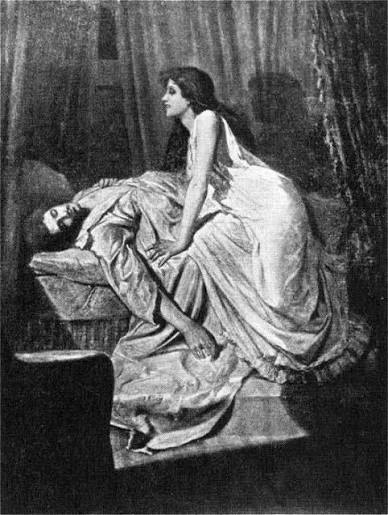
Later came Carmilla (1872), written by Sheridan Le Fanu. The story introduced one of literature’s most influential female vampires and explored themes of attraction, danger, sexuality, and forbidden desire.
Then came the novel that would change vampire mythology forever.
In 1897, Irish author Bram Stoker published Dracula. His mysterious Count Dracula became the defining vampire character for generations. Combining Eastern European folklore, Gothic atmosphere, supernatural abilities, and Victorian anxieties, Stoker created a villain whose influence continues more than a century later.
Stoker, Bram (1847-1912). Dracula . Westminster:… | Freeman’s
Illustration from J. Sheridan Le Fanu’s “Carmilla” · UVic Libraries Omeka Classic
Dracula: From Victorian Age to Present Day – Vincent and Friends Media Co.
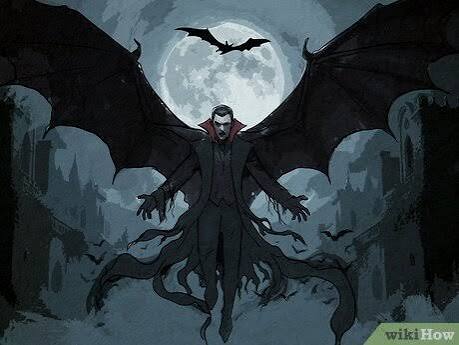
Dracula established many characteristics associated with vampires today: sleeping in coffins, transforming into bats, avoiding sunlight, drinking human blood, and possessing supernatural strength.
Although not all these characteristics originated with Stoker, his novel helped bring them together into a recognizable mythology.
Vampires Enter Hollywood
The arrival of motion pictures gave vampires an entirely new life.
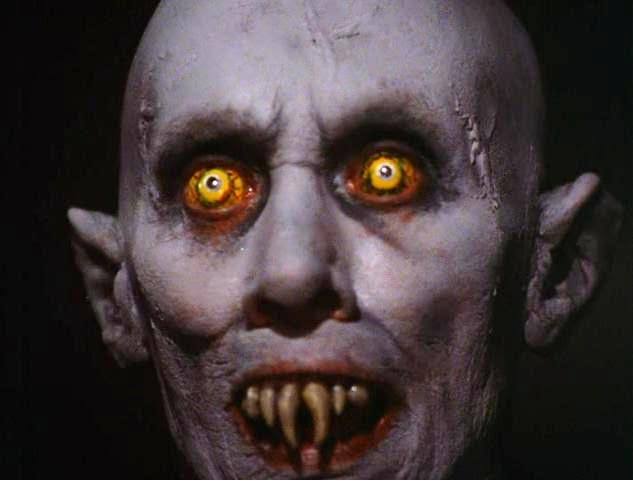
In 1922, German filmmaker F. W. Murnau released Nosferatu, an unauthorized adaptation of Dracula. Its vampire, Count Orlok, was far removed from the charming aristocrat. With his bald head, pointed ears, elongated fingers, and terrifying appearance, Orlok represented the vampire as a creature of disease and death.
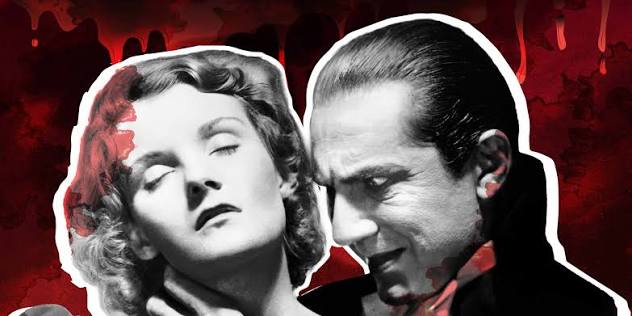
In 1931, Universal Pictures released Dracula, starring Bela Lugosi. His performance established the dark, elegant, hypnotic vampire that would become a Hollywood icon.
Throughout the 1930s and 1940s, Universal expanded its monster universe with films such as Dracula’s Daughter and Son of Dracula. Vampires became essential characters in the growing horror-film industry.
In the late 1950s, Britain’s Hammer Film Productions revived the genre with a series of colorful, atmospheric vampire films starring Christopher Lee as Dracula. These movies introduced more graphic horror, dramatic performances, and a darker, more sensual interpretation of the vampire.
By this point, vampires were no longer simply creatures from folklore. They were movie stars.
The Modern Vampire: From Monster to Antihero
During the second half of the 20th century, vampire storytelling began to change. Instead of focusing exclusively on the vampire as an evil creature, writers and filmmakers started exploring what it meant to live forever.
In 1976, Anne Rice published Interview with the Vampire, introducing readers to a more emotionally complicated vampire world. Her characters struggled with loneliness, morality, love, identity, and the consequences of immortality.
The 1994 film adaptation, starring Tom Cruise and Brad Pitt, brought this more philosophical interpretation to a worldwide audience.
Interview with the Vampire, 1994
Vampires were becoming characters audiences could understand, sympathize with, and even admire.
The 1980s also introduced a new generation of vampire entertainment. Movies such as The Lost Boys (1987) combined horror with teenage rebellion, rock music, fashion, and supernatural adventure.
The vampire was no longer restricted to ancient castles and dark forests. It could be living next door, attending school, or hanging out in a nightclub.
Revisiting: “The Lost Boys” (1987) | by Shain E. Thomas | Harsh Light News | Medium
The 1990s continued the transformation with films such as Bram Stoker’s Dracula (1992), directed by Francis Ford Coppola, which returned to the Gothic roots of the legend while introducing spectacular visual effects, romance, and tragedy.
Vampires had become versatile characters capable of fitting into almost any genre.
Vampires Take Over Television
Television brought vampire mythology into people’s homes and allowed audiences to follow supernatural characters over multiple seasons.
Some of the most influential productions included:
Buffy the Vampire Slayer (TV Series 1997-2003) – Posters — The Movie Database (TMDB)
Buffy the Vampire Slayer (1997–2003)
Mixed horror, comedy, teenage drama, and mythology. It introduced a generation to vampires as recurring characters with complicated relationships and personalities.
Angel (TV Series 1999–2004) – IMDb
Angel (1999–2004)
Explored redemption, morality, and the struggle of a vampire trying to overcome his monstrous nature.
Large “TRUE BLOOD” HBO Poster For Sale at 1stDibs | true blood poster, hbo posters, true blood posters
True Blood (2008–2014)
Combined Southern Gothic storytelling, romance, violence, and social commentary. Vampires became a visible population attempting to coexist with humans.
The Vampire Diaries (2009–2017)
Made vampire mythology a major part of young-adult entertainment, combining romance, supernatural rivalries, family histories, and centuries-old conflicts.
These productions helped establish vampires as more than horror characters. They became symbols of romance, identity, temptation, power, and the struggle between good and evil.
The Twilight Generation and the Romantic Vampire
In 2005, author Stephenie Meyer published Twilight, launching a worldwide phenomenon that dramatically changed the public image of vampires.
The 2008 film adaptation introduced Edward Cullen, a vampire who struggled with his desire for human blood while attempting to maintain a romantic relationship with a human teenager.
The Twilight franchise helped introduce vampire mythology to a new generation of readers and moviegoers. Its vampires were attractive, youthful, wealthy, and capable of living among humans.
Traditional weaknesses were also reimagined. Instead of immediately burning in sunlight, the vampires sparkled.
This was a significant departure from the Dracula tradition. The vampire had moved from being a symbol of fear to becoming an object of fascination and romantic fantasy.
The popularity of Twilight also demonstrated that vampire stories could dominate the entertainment industry without relying exclusively on traditional horror.
Vampires in Modern Movies, Video Games, and Pop Culture
Today, vampires continue to evolve across virtually every form of entertainment.
Modern filmmakers have returned to the frightening origins of vampire mythology while experimenting with new interpretations.
Some notable examples include:
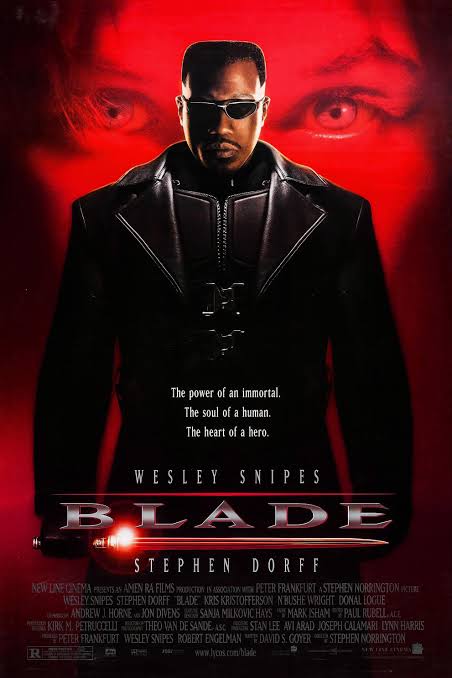
- Blade (1998): Combined vampires with martial arts, science fiction, and superhero storytelling.
- Underworld (2003): Created an elaborate mythology involving an ancient war between vampires and werewolves.
- 30 Days of Night (2007): Returned vampires to terrifying, predatory creatures.
- Let the Right One In (2008): Offered an emotional and unsettling interpretation of vampire existence.
- What We Do in the Shadows (2014): Turned vampire mythology into comedy by imagining ancient vampires struggling with modern everyday life.
- The Last Voyage of the Demeter (2023): Returned to the terrifying journey of Dracula aboard a ship.
Video games have also expanded vampire mythology. Games such as Castlevania, Legacy of Kain, Vampire: The Masquerade, and V Rising allow players to explore vampire societies, supernatural abilities, ancient rivalries, and the struggle for survival.
Vampires have also become popular in comic books, anime, collectible merchandise, Halloween culture, music videos, fashion, and online communities.
The creature that once represented fear of the unknown has become a recognizable symbol of rebellion, individuality, immortality, and the supernatural.
The African Connection: Vampires as a Reflection of History
One particularly interesting part of vampire history is how the concept has also been used to describe real-world fears and social experiences.
Historian Luise White explored this subject in her 2000 book Speaking with Vampires: Rumor and History in Colonial Africa.
Her research examined stories circulating in East and Central Africa during colonial rule. People shared frightening accounts of authorities, colonial agents, and other powerful figures allegedly abducting people and stealing their blood.
These stories were not simply supernatural entertainment. They reflected anxieties about colonial exploitation, medical practices, forced labor, political power, and the treatment of African communities.
In this context, the vampire became a metaphor for someone who extracts life from another person for personal benefit.
It is a fascinating reminder that vampire mythology has never existed entirely outside human history. It often reflects the fears, inequalities, and experiences of the societies telling the stories. JSTOR+1
Why Are We Still Fascinated by Vampires?
More than a century after Dracula entered popular literature, vampires remain among the most enduring characters in entertainment.
Part of their appeal comes from their contradictions. They are simultaneously alive and dead, human and monstrous, beautiful and terrifying.
They represent the ultimate fantasy of immortality while also revealing its potential consequences. What would it mean to live forever? Would eternal life eventually become a curse? Could someone who survives for centuries ever maintain their humanity?
Vampires also provide a way to explore subjects that audiences continue to find fascinating:
- Immortality: The possibility of living beyond the natural limits of human existence.
- Power: Supernatural abilities, wealth, influence, and control.
- Desire: The relationship between attraction, temptation, and danger.
- Identity: The conflict between one’s human nature and darker instincts.
- Society: The fear of outsiders and the struggle between different communities.
- Death: Humanity’s enduring fascination with what happens after life ends.
These themes allow each generation to reinvent the vampire without abandoning the essential mythology.
A Legend That Will Never Die
The history of vampires is much bigger than Dracula, Hollywood, or modern supernatural romance.
Its roots reach into ancient beliefs and the folklore of many cultures, including African traditions that featured supernatural predators and beings associated with the draining of life. Eastern European folklore helped shape the familiar undead vampire, while 19th-century literature transformed the creature into a sophisticated Gothic character.
Cinema, television, and video games then made vampires international cultural icons.
From the terrifying Asanbosam of West African folklore to the aristocratic Count Dracula, from Nosferatu to Blade, and from Buffy to Edward Cullen, the vampire has continually adapted to the fears and interests of different generations.
Perhaps that is the real secret behind the vampire’s immortality.
The vampire never truly dies because every generation finds a new reason to bring it back.
Sources and further reading
These are useful references for expanding the historical side of the article and checking the distinctions between folklore and modern fiction.
- Speaking with Vampires: Rumor and History in Colonial Africa — Luise White, University of California Press.
- Outbreaks of the Balkan Village Vampire in the Eighteenth Century — Palgrave Handbook of the Vampire.
- Geo-political Vampirism — Humanities and Social Sciences Communications (2024).
- The First Vampire Films in America — Humanities and Social Sciences Communications.
- Contemporary Vampires — Oxford Academic.