Why Everyone Seems to Be Collecting Something in 2026
There was a time when collecting was something you did as a kid.
You saved baseball cards. You lined up action figures on a bedroom shelf. You kept your favorite comic books in plastic bags. Maybe you had a box of LEGO, a collection of Hot Wheels, or a stack of Pokémon cards that you swore would be worth something someday.
In 2026, that childhood hobby has become something much bigger.
From Pokémon cards and vintage toys to vinyl records, limited-edition figures, LEGO sets, comic books, sneakers and pop-culture memorabilia, collecting has become a major part of modern consumer culture. And increasingly, collectors aren’t just kids. They’re adults who grew up with these things—and now have the money, technology and nostalgia to go hunting for them again.

Collecting Has Become a Culture
The modern collector isn’t necessarily searching for one specific type of object.
They might collect records because they love music. They might buy an old Batman figure because it reminds them of Saturday mornings in the 1990s. They might chase a rare Pokémon card because they remember opening booster packs as a child.
Others collect because they simply love the design.
That is one of the biggest changes in collecting culture. A collectible doesn’t necessarily have to be valuable financially to be valuable personally.
In 2026, collecting is increasingly about identity.
Your shelf, record collection, toy display or wall of memorabilia can say something about who you are and what you love.
The Trading Card Explosion
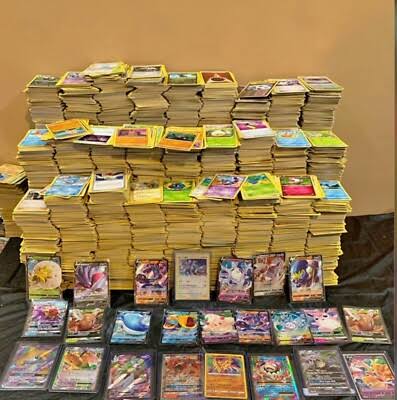
If there is one category that symbolizes the collectibles boom, it is trading cards.
Pokémon continues to be one of the biggest forces in the category. Circana reported that Pokémon generated approximately $2.5 billion in U.S. toy sales in 2025, an 87% increase from the previous year. The company also reported that collectibles represented nearly 19% of global toy sales, with the collectibles category growing 32%.
And 2026 has continued that momentum.
The U.S. toy industry posted a 17% increase in dollar sales during the first half of 2026 compared with the same period in 2025. Circana specifically pointed to strong demand for trading cards, collectibles, licensed products and fandom-driven merchandise.
Pokémon’s 30th anniversary has added another wave of excitement, with collectors lining up at retailers for anniversary releases and hunting for rare cards.
But Pokémon isn’t alone.
Magic: The Gathering, sports cards, Yu-Gi-Oh!, Disney Lorcana and other trading-card games have created enormous communities of collectors and players.
The line between playing a game and collecting an object has almost completely disappeared.
Nostalgia Is Driving the Market
One of the most powerful forces behind collecting in 2026 is nostalgia.
The children of the 1980s and 1990s are now adults. Many have disposable income and are returning to the things they loved growing up.
Batman.
Spider-Man.
Star Wars.
Pokémon.
Transformers.
Teenage Mutant Ninja Turtles.
LEGO.
Hot Wheels.
Wrestling memorabilia.
Vintage video games.
Comic books.
The characters that once lived on Saturday-morning television or inside comic-book stores are now appearing on shelves, desks and display cases in adult homes.
The appeal isn’t necessarily about pretending to be a kid again.
It’s about reconnecting with a part of yourself.
A collectible can become a physical reminder of a particular movie, television show, video game, comic book or period of life.
Collectibles Are Also Becoming Home Décor
Another interesting development is the way collectibles have moved into interior design.
Collectors aren’t necessarily hiding their collections away anymore.
Figures can become art objects. Vintage toys can become conversation pieces. Album covers can become wall art. Old signs, advertising pieces and movie memorabilia can become part of a room’s aesthetic.
The result is a blending of collecting, fashion and interior design.
A person might have a vintage record player surrounded by vinyl albums, a shelf of Japanese figures, a vintage camera, an old movie poster and a stack of comic books.
That’s not simply a collection.
It’s a personal environment.
The Rise of the Blind Box
One of the most visible newer developments has been the popularity of blind-box collectibles.
The concept is simple: you purchase a sealed package without knowing exactly which figure is inside.
The surprise is part of the experience.
Companies such as Pop Mart have turned this concept into a global phenomenon, with characters such as Labubu becoming highly recognizable cultural products.
eBay’s 2025 collectibles data showed just how powerful this trend became, with searches for Labubu-related products experiencing enormous growth.
Blind boxes also demonstrate something important about collecting in 2026:
The experience of finding something can be just as important as owning it.
The Internet Changed Everything
The internet transformed collecting.
Twenty-five years ago, finding a rare item might require driving to flea markets, antique shops, comic conventions or specialty stores.
Today, a collector can search the world from a phone.
eBay, specialty marketplaces, auction sites, Facebook groups, livestream shopping and social-media communities have created an enormous digital ecosystem for collectors.
Collectors can research prices, compare editions, watch unboxing videos, follow new releases and communicate with other collectors almost instantly.
That has also created something that previous generations of collectors didn’t have:
A global collecting community.
Someone in rural New York can trade with someone across the country—or across the world.
Social Media Turned Collecting Into Entertainment
Collecting isn’t just something people do anymore.
It’s something people watch.
Unboxing videos, collection tours, card openings, toy reviews and “find of the day” posts have turned collecting into entertainment.
A rare discovery can become a viral moment.
A new figure can sell out within minutes.
A collector can document an entire collection on TikTok, Instagram or YouTube.
In other words, the collector has become part enthusiast, part curator and sometimes part content creator.
Are Collectibles Investments?
This is where things get complicated.
Some collectibles can become extremely valuable. Rare trading cards, vintage comics, limited-edition figures, sports memorabilia and other scarce objects can command significant prices on the secondary market.
But collecting shouldn’t automatically be confused with investing.
The fact that something is rare doesn’t guarantee that its value will increase.
Trends change. New products appear. Popular characters lose cultural relevance. Collectors move on. Prices can rise rapidly—and fall just as quickly.
The safest reason to buy a collectible is probably still the oldest reason:
You actually like it.
If it becomes valuable later, that’s a bonus.
The Return of the Physical Object
There is also something fascinating happening underneath the collectibles boom.
We live in an increasingly digital world.
Movies stream.
Music streams.
Books can be downloaded.
Photographs live on phones.
Video games can be downloaded without a physical disc.
Yet people continue to crave physical objects.
A vinyl record is something you can hold.
A comic book is something you can flip through.
A figure can sit on a shelf.
A vintage toy can remind you of childhood.
A collectible gives a physical form to something that otherwise might exist only digitally.
That may be one reason collecting has become so powerful in 2026.
Collecting Is About Community
Walk into a comic shop, record store, card shop, toy convention or vintage market and you’ll see something that online shopping can’t completely reproduce.
People talk.
They trade.
They tell stories.
They argue about which version of a character is better.
They show each other what they found.
They remember where they bought something.
They share knowledge.
The object is only part of the experience.
The community surrounding it is often just as important.
eBay’s research into recommerce reflects this broader shift, reporting that 63% of surveyed consumers considered themselves part of a recommerce community and that 65% enjoyed the “thrill of the hunt” when searching for pre-owned items.
What Will People Be Collecting Next?
That’s the fun part.
The next major collectible could come from almost anywhere.
A new video game character.
An independent artist.
A cult movie.
A limited-edition sneaker.
A strange little designer toy.
A vintage object rediscovered by a younger generation.
A trading card nobody currently cares about.
Collecting has always been unpredictable.
That’s what makes it exciting.
The Bottom Line
In 2026, collecting is no longer simply about accumulating things.
It’s about nostalgia, fandom, identity, discovery and community.
The modern collector isn’t necessarily trying to own everything.
They’re trying to find the things that mean something to them.
And that may explain why collectibles continue to thrive in an age when so much of our culture has moved online.
We still want something we can hold.
Something we can display.
Something we can trade.
Something that tells a story.
Something that reminds us where we came from.
And sometimes, something that makes us say:
“I have to have that.”